
Neurological
disorders
Stroke
Definition:
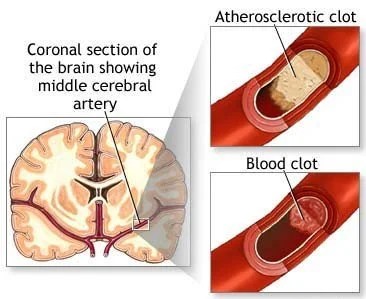
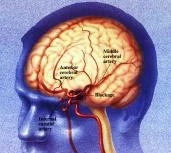
A stroke or brain attack occurs when blood flow to an area of the brain is interrupted by a blocked or broken blood vessel. When a stroke occurs, it kills brain cells in the immediate area. When the brain cells die, they release chemicals that set off a chain reaction that endangers brain cells in a larger, surrounding area.Without prompt medical treatment, this larger area of brain cells will also die.
When brain cells die, the abilities that area of the brain control are lost or impaired. Some people recover completely from less serious strokes, while others lose their lives to very severe ones.
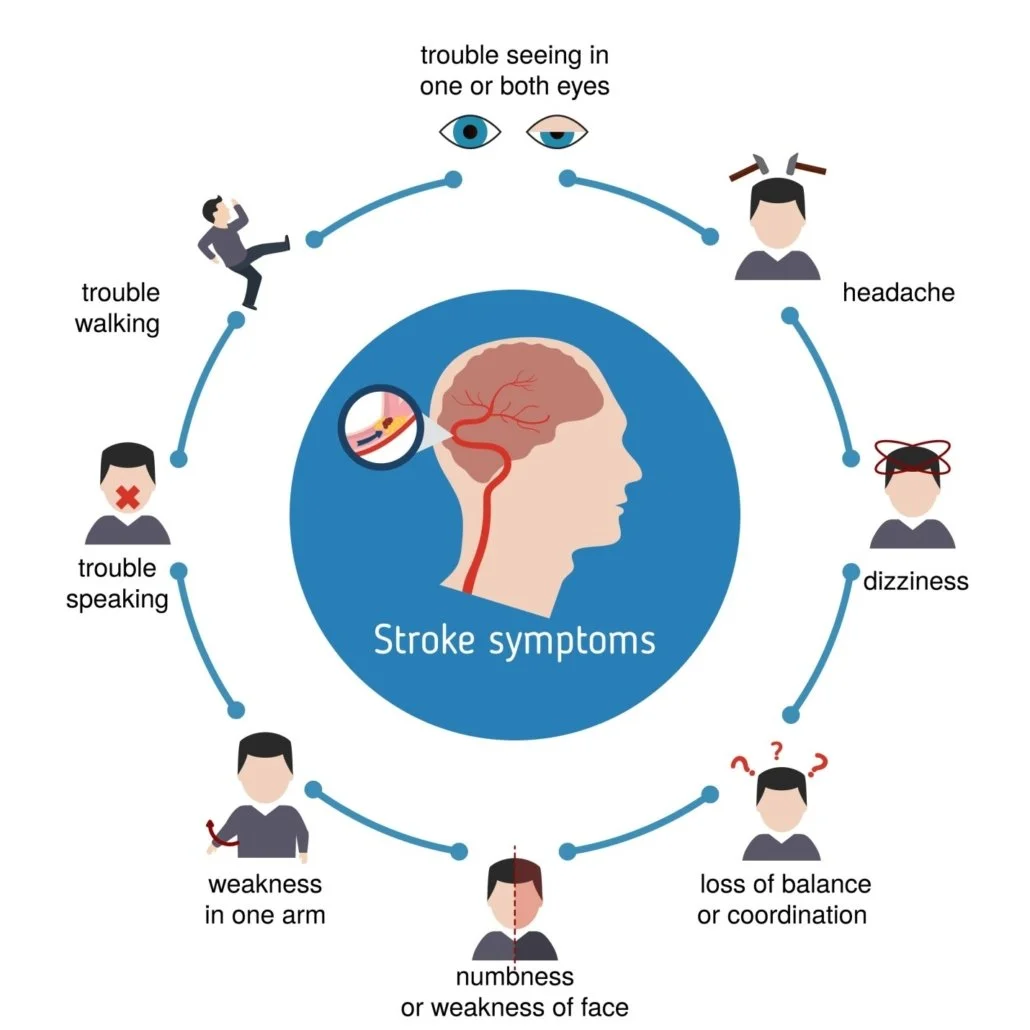
Symptoms
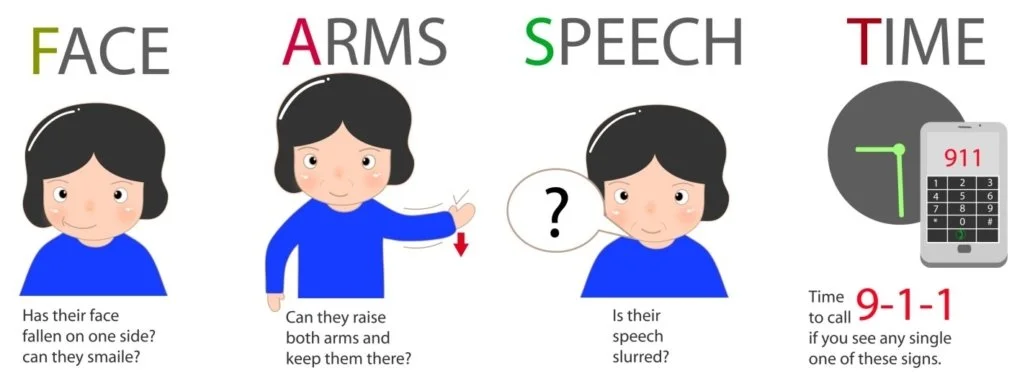
Recognizig Stroke
Ischemic Stroke
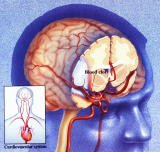
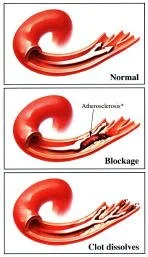
In ischemic stroke, a clot blocks a blood vessel in the brain, or as the result of the unhealthy blood vessels clogged with a buildup of fatty deposits and cholesterol in the wall of an artery. Approximately 80 percent of all strokes are ischemic.
Hemorrhagic Stroke
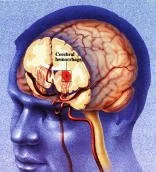
In hemorrhagic strokes, a blood vessel in the brain breaks or ruptures. Hemorrhagic stroke can be caused by a number of disorders which affect the blood vessels, including long-standing high blood pressure and cerebral aneurysms. Hemorrhagic strokes account for about 20 percent of all brain attacks.
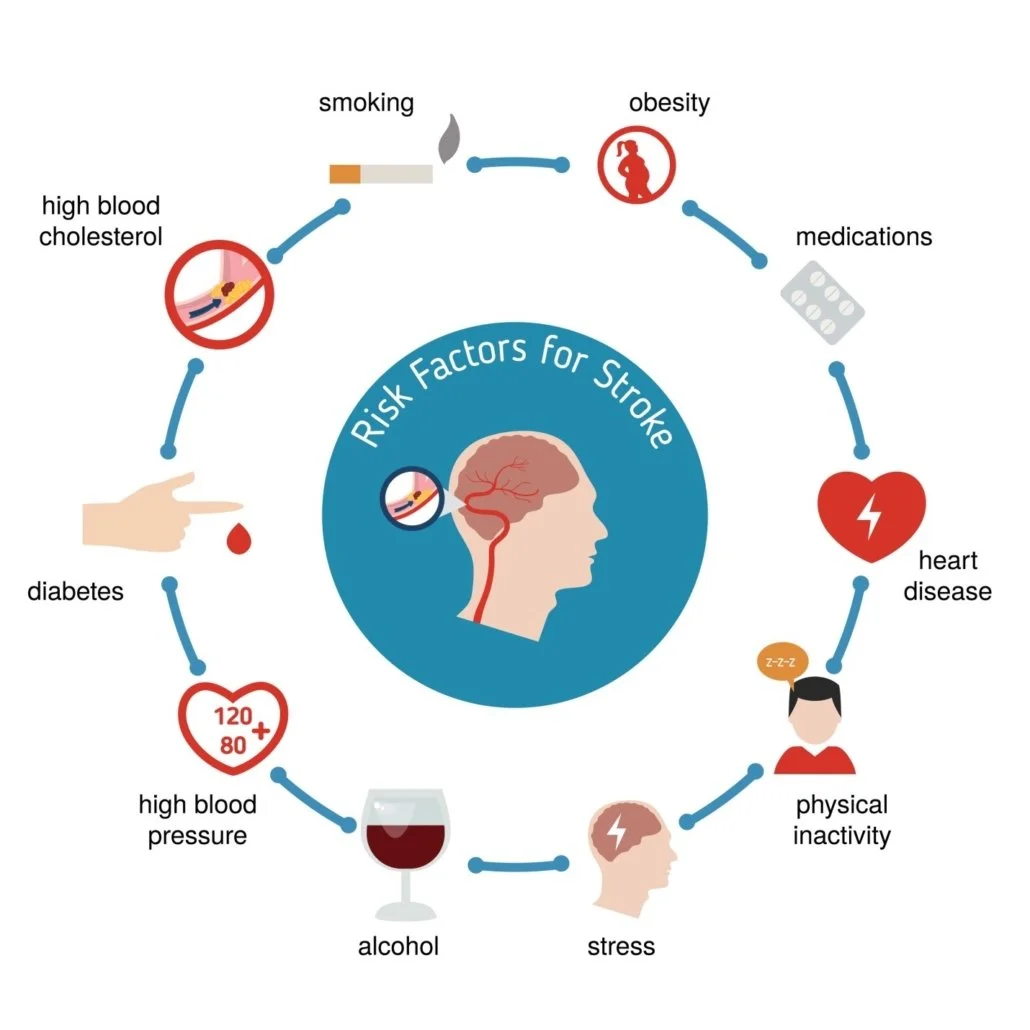
Risk Factors
Transcient Ischemic Attack
Definition:
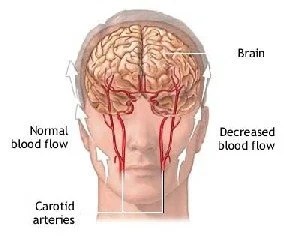
Transient ischemic attacks (TIAs) are episodes of temporary and focal cerebral dysfunction of vascular origin, rapid in onset, variable in duration, commonly lasting from two to fifteen minutes but by definition no longer than 24 hours. They are often premonitory symptoms of an impending stroke.
TIAs come on quickly, usually going from no symptoms to maximum symptoms in less than 5 minutes
Symptoms
Symptoms of a TIA are the same as those of stroke and disappear in less than 24 hours.
Neuro Diagnostic Tests
To help pinpoint the cause of TIA, your physician may order the following tests:
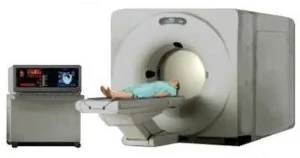
Computed Tomography (CT scan)
Magnetic Resonance Imaging (MRI)
Doppler Ultrasound
Magnetic Resonance Angiography (MRA)
Cerebral Angiography
Echocardiogram
If your physician suspects that floating blood clots are coming from your heart, special cardiac tests may be necessary.
Headaches
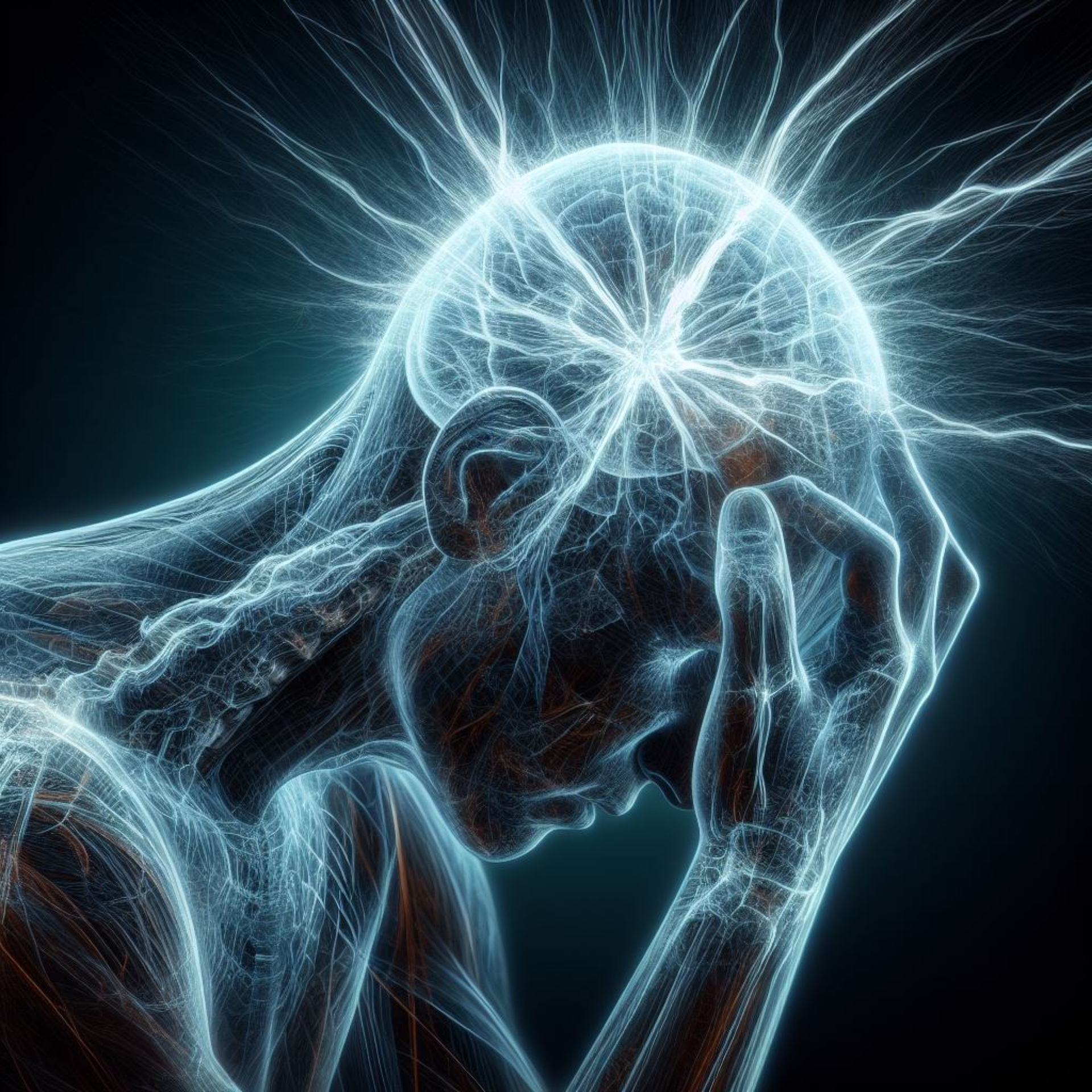

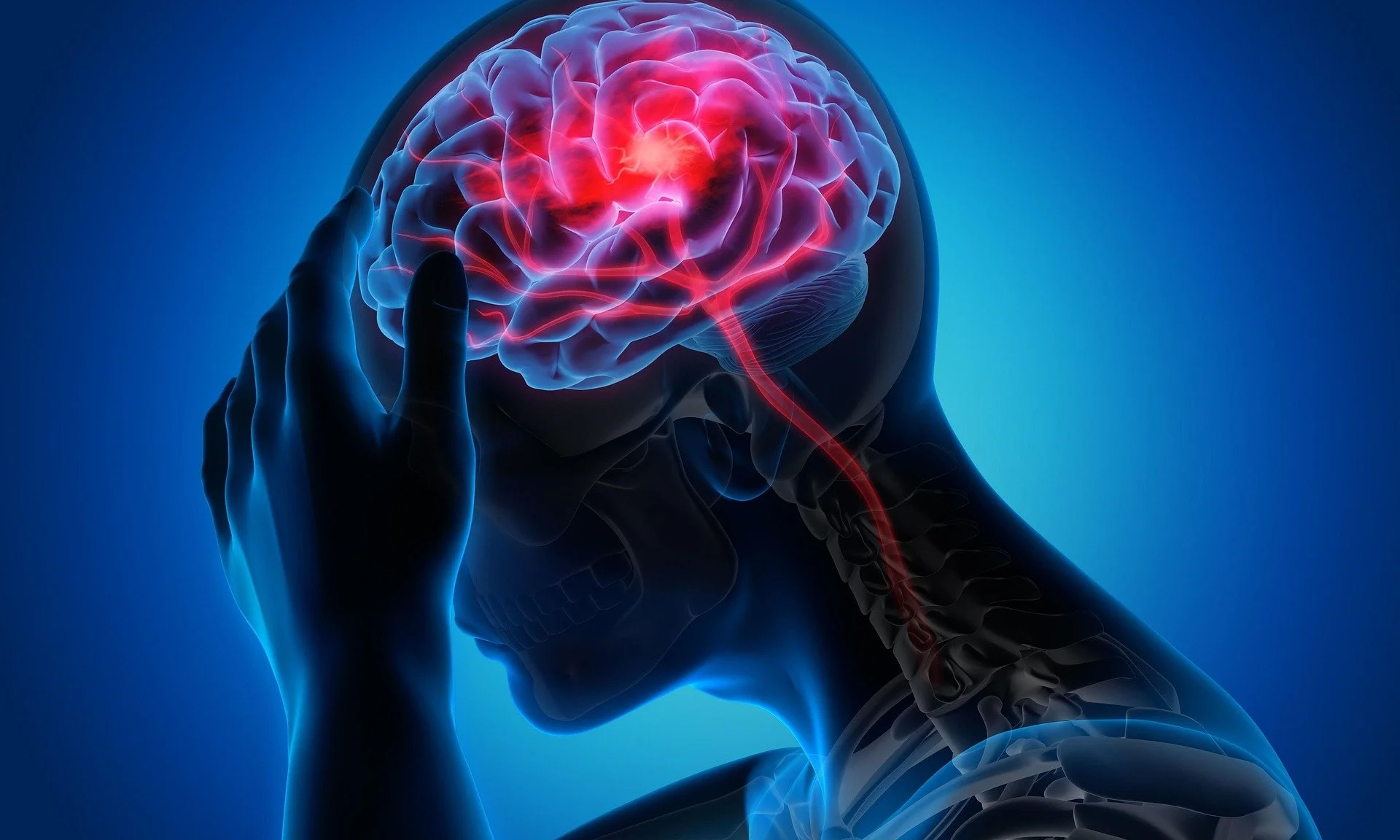
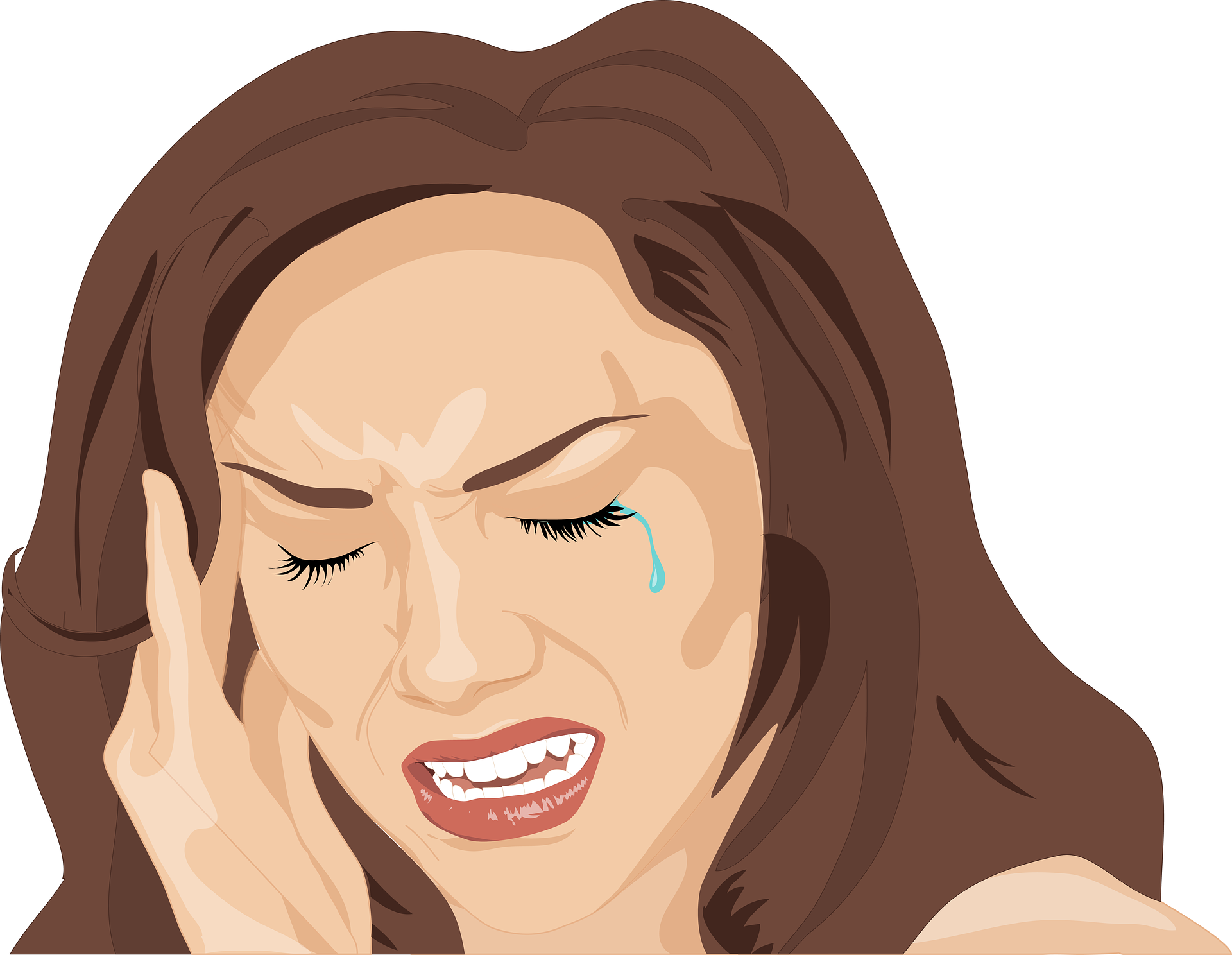
When a person has a headache, pain may be experienced in one of more areas of the head, and may include the face, mouth, and throat.
Types of Headache
Primary
Primary headaches include tension-type, migraine, and cluster headaches and are not caused by other underlying medical conditions. More than 90% of headaches are primary.
Secondary
Secondary headaches result from other medical conditions.These account for fewer than 10% of all headaches.
Symptoms
If you experience the following symptoms, you may need to seek emergency medical treatment
A headache accompanied by fever or vomiting.
A headache associated with blurred vision, difficulty speaking, or numbness or weakness of the arms or legs.
Headaches that seem to be increasing in intensity or frequency over time.
A “thunderclap” headache or headache associated with loss of consciousness.
Headaches that require daily use of pain-reliever medications.
Memory Loss
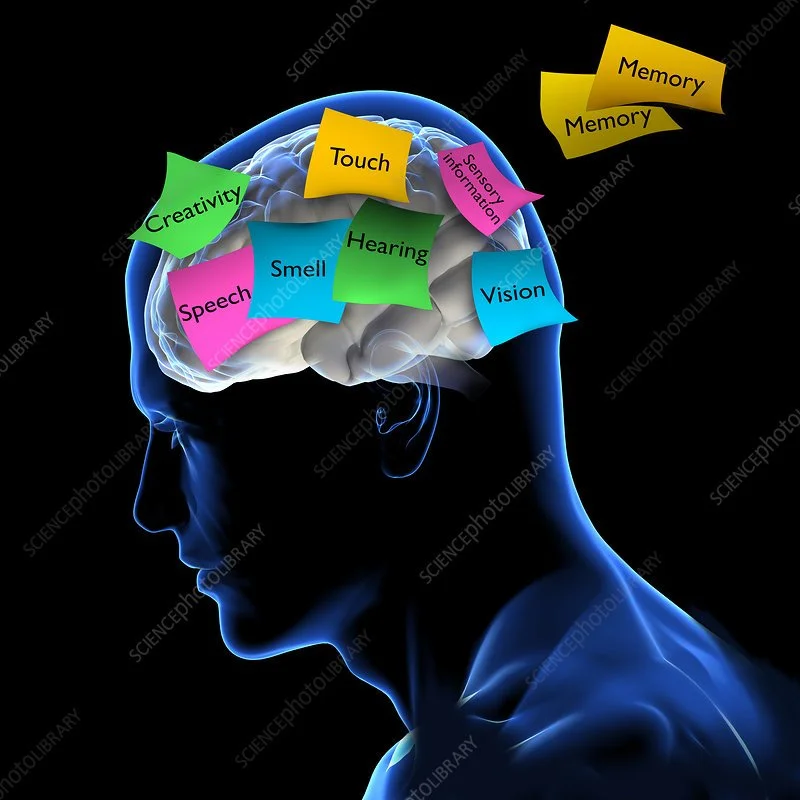
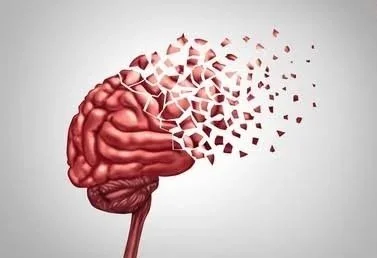
Memory loss is unusual forgetfulness that can be caused by brain damage due to disease or injury, or it can be caused by severe emotional trauma.
No one structure or location in the brain is responsible for memory. Rather, memory is a complex process. The brain uses different processes to store memories of what you see, hear, feel, smell, and taste.
Our goal is to work with you to determine the cause of your loss of memory, and to work with you and our therapists to develop a plan of care tailored for your specific situation.
Peripheral Neuropathy
Peripheral Neuropathy is nerve damage characterized by sensory loss, pain, muscle weakness and wasting in the hands or legs and feet.
The most common type of peripheral neuropathy damages the nerves of the limbs, especially the feet. Common symptoms of peripheral neuropathy are:
Numbness or insensitivity to pain or temperature.
Tingling, burning, or prickling.
Sharp pains or cramps.
Extreme sensitivity to touch
Loss of balance and coordination.
These symptoms are often worse at night.