clinics
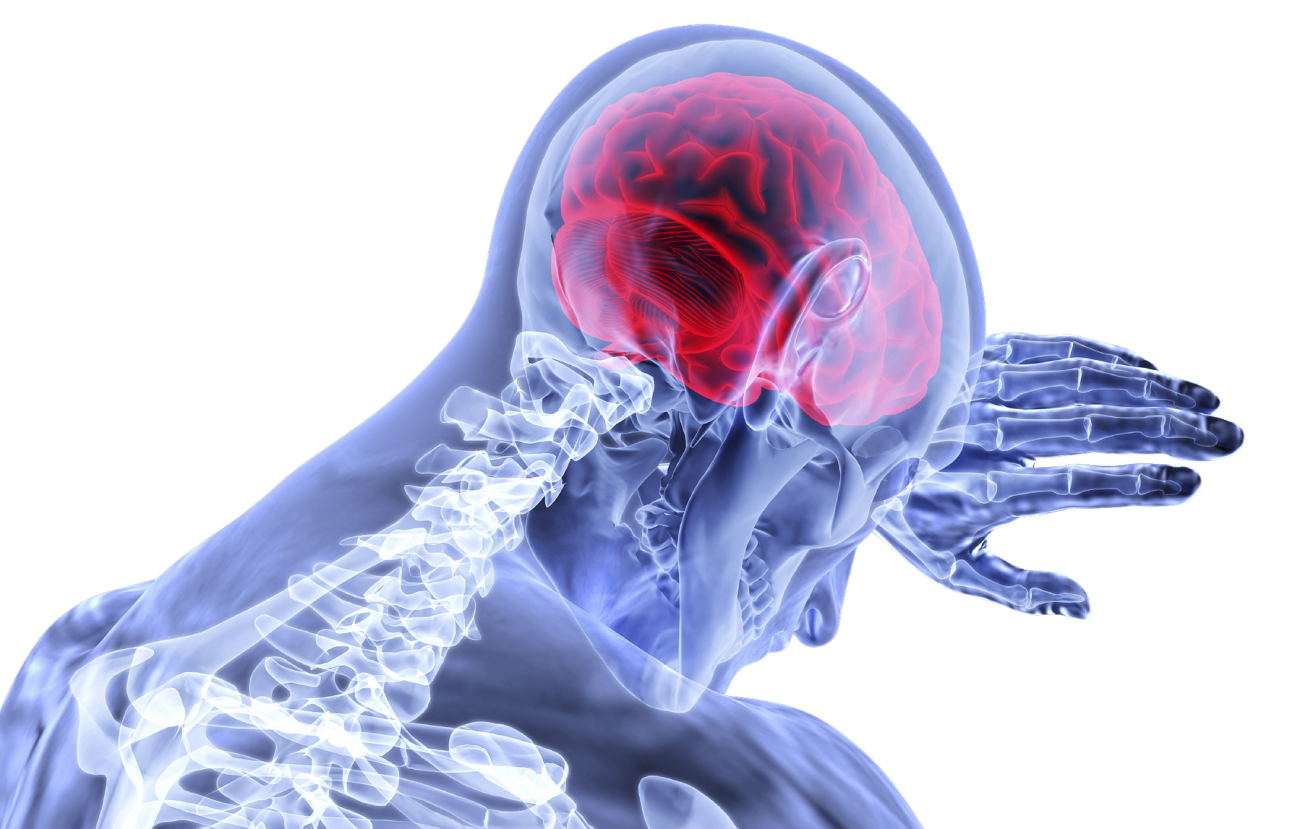
Comprehensive Stroke & TIA Clinic
The Stroke Clinic at Florida Neurovascular Institute (FNI) provides specialized, patient-centered care for individuals recovering from an ischemic stroke, hemorrhagic stroke, or Transient Ischemic Attack (TIA). Our clinical team bridges the critical transition from hospital discharge to long-term recovery, focusing on secondary prevention, precise diagnostic evaluation, and comprehensive rehabilitation.
Our Clinical Focus
Post-Hospitalization Stroke Care
Continuous outpatient management for ischemic and hemorrhagic stroke survivors following hospital discharge.
Accurate Classification & Etiology
Confirming the precise subtype and underlying mechanism of the stroke to guide targeted therapies.
Risk Factor Stratification & Secondary Prevention
Identifying modifiable vascular risk factors to aggressively reduce the risk of recurrent stroke or TIA.
TIA Assessment & Urgent Intervention
Prompt clinical workup to prevent progression from transient warning episodes to major cerebrovascular events.
Holistic Neuro-Rehabilitation & Recovery Support
Multidisciplinary coordination of Physical Therapy, Occupational Therapy, and Speech/Swallowing evaluations
Assessment and management of post-stroke depression, cognitive changes, and memory loss
Guidance on safe community reintegration, including return-to-home transitions and driving safety recommendations
Detailed prognosis counseling and recovery education for patients and their families
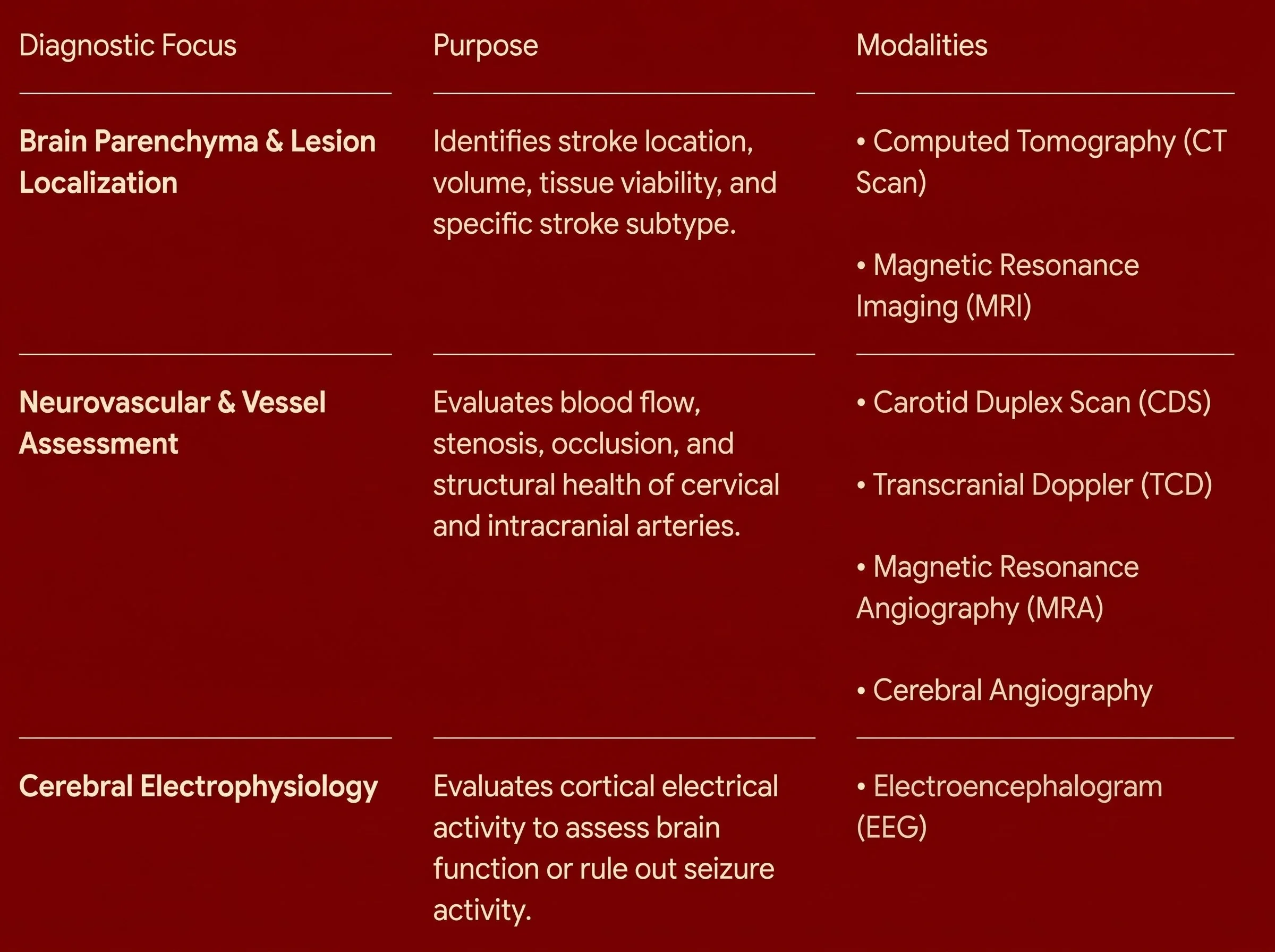
Advanced Diagnostic Neurovascular Testing
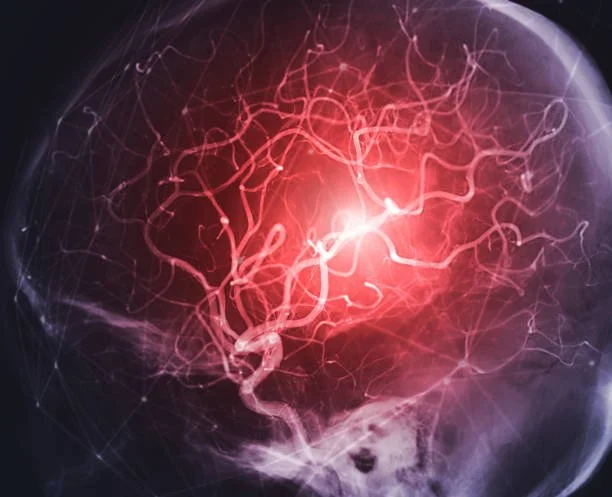
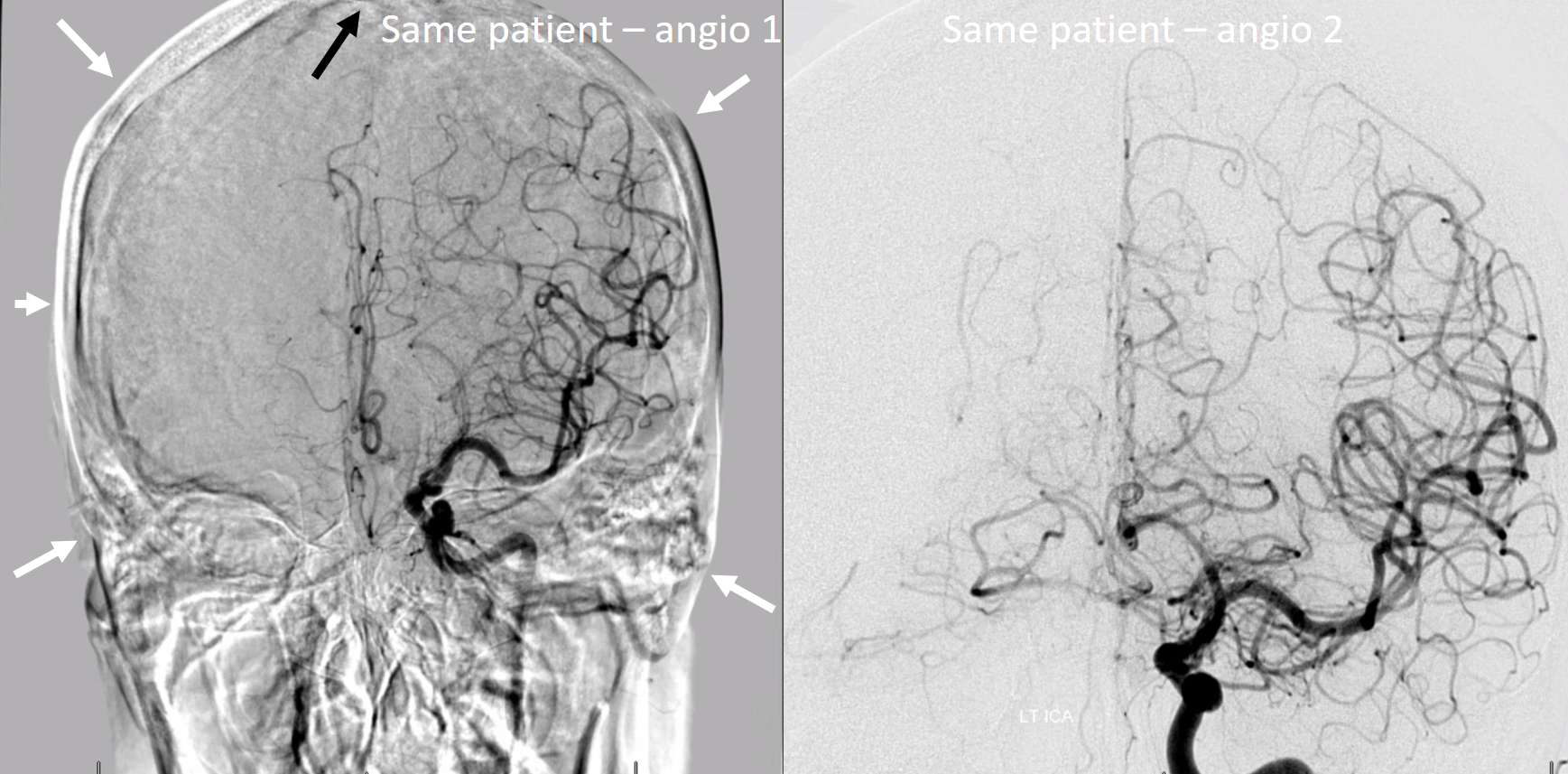
Determining the root cause of a stroke or TIA requires high-resolution imaging and physiologic assessments of the brain, heart, and neurovascular pathways. Diagnostic evaluations may include:
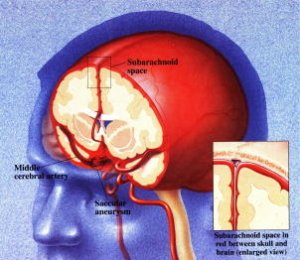
Subarachnoid Hemmorhage
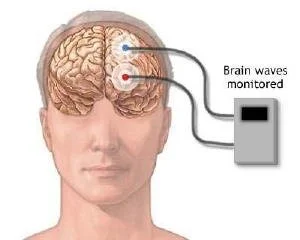
Electroencephalogram - EGG
Comprehensive Headache & Migraine Clinic
At the Florida Neurovascular Institute (FNI) Headache Clinic, we deliver specialized neurological care for patients experiencing acute, chronic, and complex headache disorders. Because effective relief begins with an accurate diagnosis, our clinical approach focuses on pinpointing the precise etiology of your pain, providing targeted therapies, and establishing long-term preventive strategies.
Our Clinical Approach
Accurate Diagnostic Classification
Distinguishing between primary and secondary headache syndromes according to international neurological criteria.
Etiological Assessment
Identifying underlying neurological, vascular, or systemic triggers and contributing factors.
Targeted, Evidence-Based Treatment
Designing individualized therapeutic plans tailored to the specific headache subtype and individual patient profile.
Preventive & Long-Term Management
Reducing attack frequency, severity, and reliance on acute medications through proactive prophylactic care.
Conditions We Evaluate & Treat
We manage the full spectrum of headache disorders, including:
Migraine Disorders (with or without aura, chronic, hemiplegic, and vestibular migraines)
Tension-Type Headaches (episodic and chronic)
Trigeminal Autonomic Cephalalgias (including cluster headaches)
Secondary Headaches (headaches associated with underlying medical or vascular conditions)
Cervicogenic & Non-Neurological Headaches (referred pain from musculoskeletal or systemic causes)
Specialized Neurodiagnostic Testing
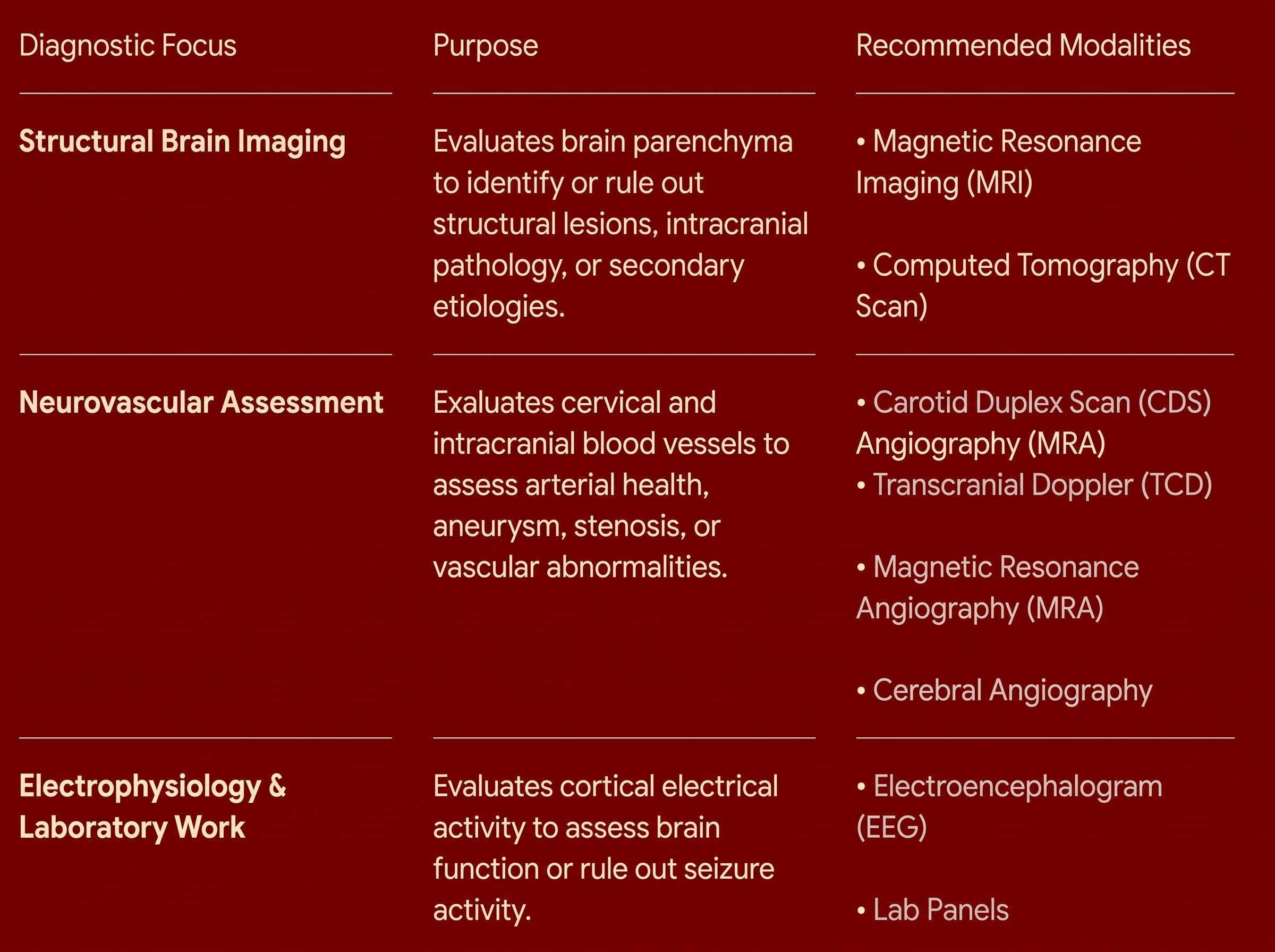
To establish an accurate diagnosis and rule out structural or vascular abnormalities, our physicians utilize advanced diagnostic modalities:
Comprehensive Memory Disorders Clinic
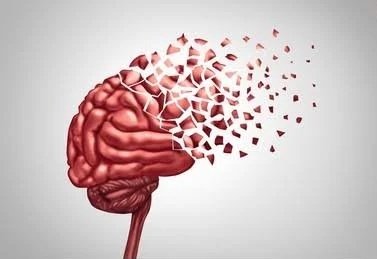
At the Florida Neurovascular Institute (FNI) Memory Disorder Clinic, we provide specialized neurological evaluation and compassionate care for individuals experiencing memory loss, cognitive decline, and related neurodegenerative conditions. Our mission is to accurately identify the root cause of cognitive changes early, formulate targeted management plans, and support both patients and their families throughout every stage of care.
Our Clinical Approach
Diagnostic Confirmation & Classification
Accurately diagnosing and classifying the specific type of memory disorder (e.g., Mild Cognitive Impairment, Alzheimer’s disease, Vascular Dementia, or other cognitive syndromes).
Comprehensive Cognitive Assessment
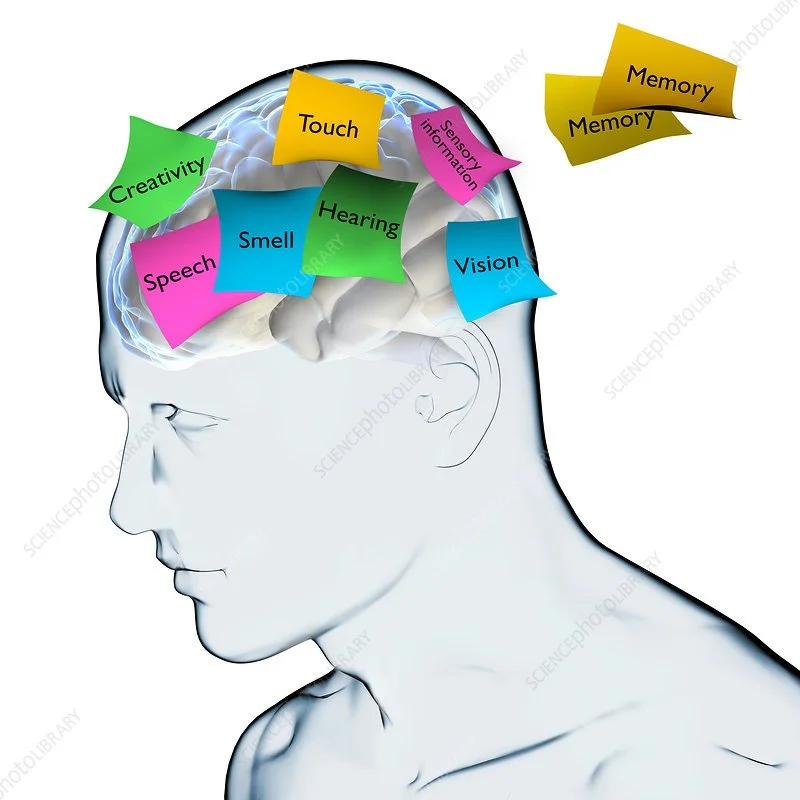
Evaluating the severity of cognitive impairment through standardized tests measuring memory, language, executive function, and overall cognitive processing.
Etiological & Underlying Cause Evaluation
Investigating reversible and non-reversible contributing factors, including neurovascular health, metabolic parameters, and structural changes.
Personalized Therapeutic Strategies
Evaluating multidisciplinary treatment modalities to optimize brain function, slow disease progression, and preserve quality of life.
Proactive Progression Management
Implementing evidence-based medical and lifestyle interventions aimed at mitigating further cognitive decline.
Patient & Family Education and Support
Providing individualized guidance regarding diagnosis, prognosis, home safety, care planning, and community resources.
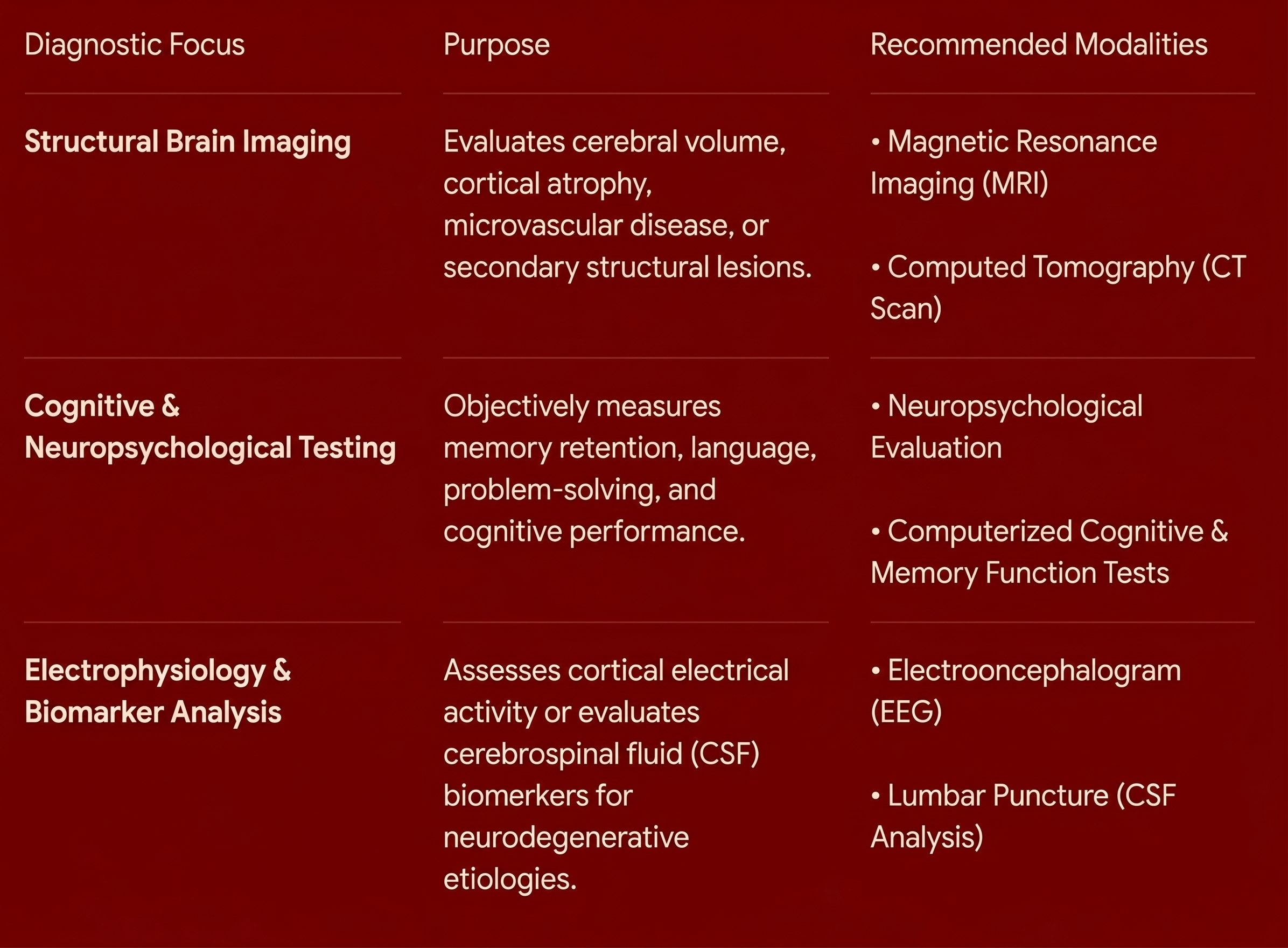
Diagnostic Evaluations for Memory & Cognitive Disorders
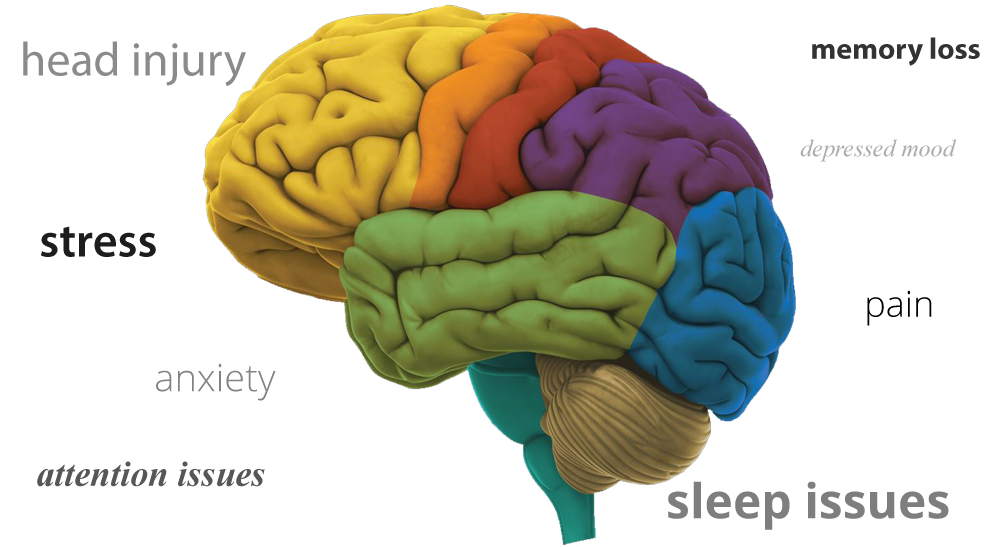
Pinpointing the underlying cause of memory loss requires a multi-faceted assessment combining structural imaging, neurophysiology, and detailed cognitive testing:
Neuromuscular & Peripheral Neuropathy Clinic
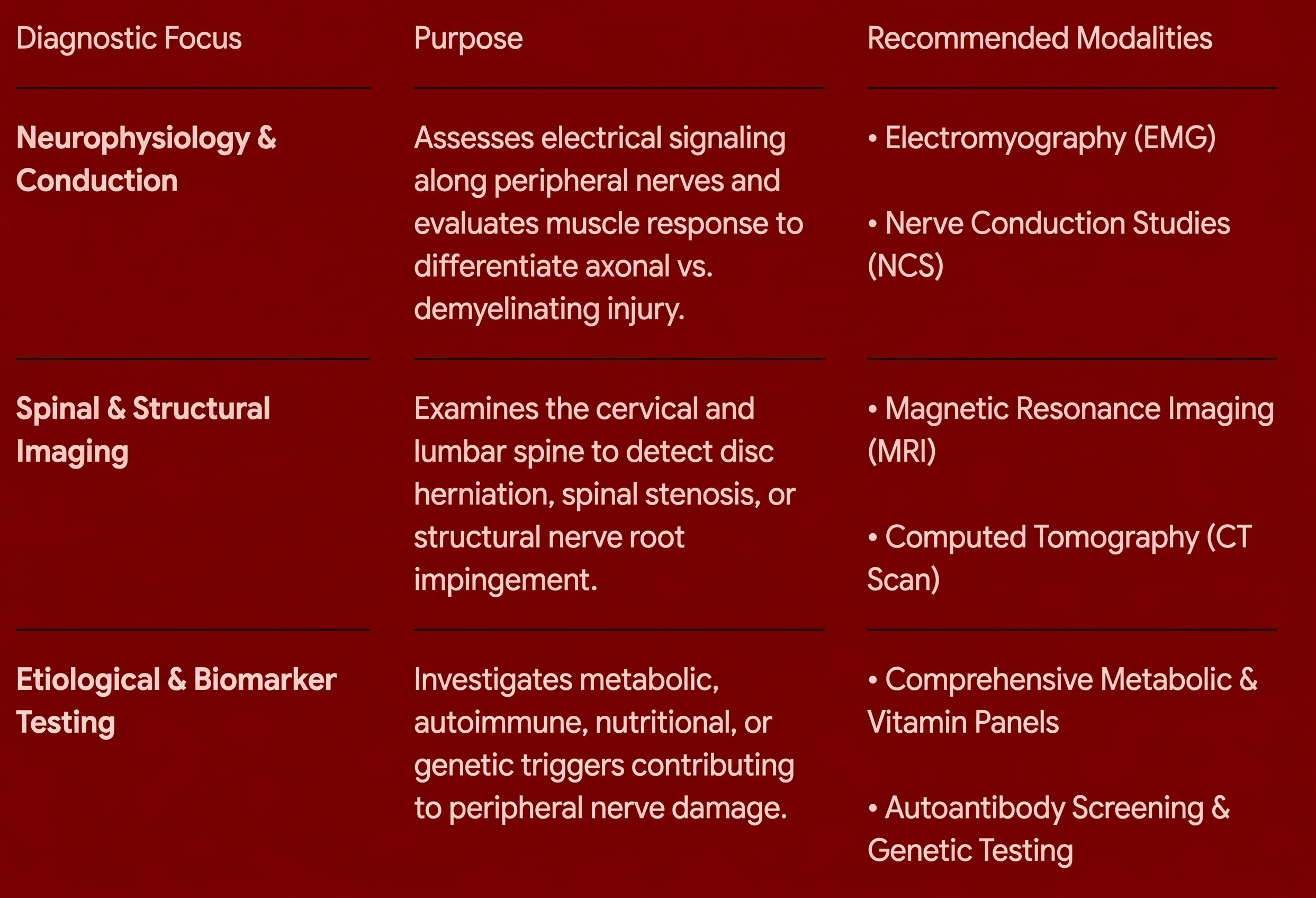
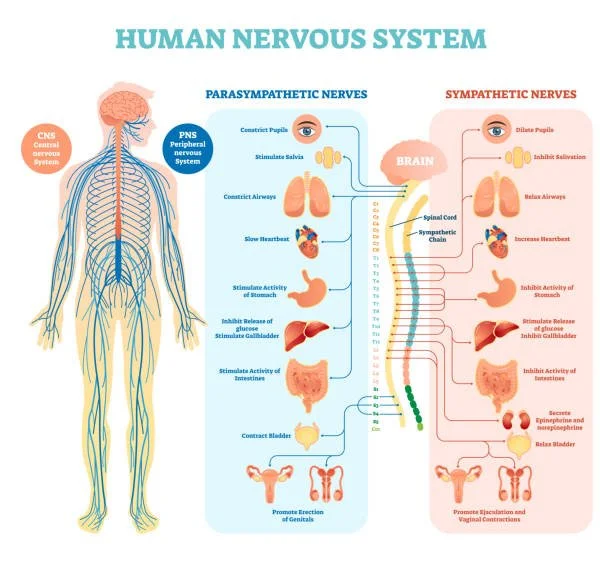
At the Florida Neurovascular Institute (FNI) Neuromuscular Clinic, we provide comprehensive clinical evaluation and advanced management for complex nerve, spine, and muscle conditions. Our approach centers on identifying the precise physiological origin of nerve dysfunction and chronic pain, establishing targeted medical treatments, and coordinating specialized rehabilitative care.
Our Clinical Focus
Comprehensive Neurological Evaluations
Detailed clinical workups for patients presenting with peripheral neuropathy, cervical spine pain (neck pain), and lumbosacral pain (low back pain).
Etiological Assessment
Investigating underlying systemic, metabolic, and genetic drivers to accurately identify the root cause of nerve impairment.
Targeted Pain Management
Designing individualized medical therapies to relieve chronic neuropathic pain and restore daily functional capacity.
Integrated Rehabilitation Pathways
Evaluating functional deficits and coordinating customized physical and occupational therapy regimens.
Conditions & Neuropathy Subtypes We Evaluate
We diagnose and manage a broad spectrum of neuromuscular conditions, including:
Sensory & Motor Neuropathies
Disorders affecting peripheral sensory fibers (numbness, tingling, burning pain) and motor nerves (weakness, muscle cramping, loss of coordination).
Diabetic & Metabolic Neuropathies
Nerve injury stemming from diabetes, glycemic variability, nutritional deficiencies, or metabolic imbalances.
Autoimmune & Inflammatory Neuropathies
Immune-mediated neuropathies, including demyelinating polyneuropathies and vasculitic nerve injury.
Hereditary Neuropathies
Genetically inherited conditions affecting peripheral nerve structure and conduction.
Spine-Related Radiculopathies
Nerve root compression and irritation contributing to persistent neck, back, and radiating limb pain.
Diagnostic Evaluations for Neuromuscular Disorders
Diagnostic Evaluations for Neuromuscular Disorders